
"coffee altitude grading"
8000 article(s) found

A Historical Story letter from Helsar de Zarcero Yersalo Manor, Orange County, Naranjo, Costa Rica
Professional coffee knowledge exchange more coffee bean information please follow the coffee workshop (Wechat official account cafe_style) Costa Rica's famous Helsar de Zarcero processing plant, established in 2004, has been repeatedly recognized by cup of excellence, is a world-renowned processing plant. Operator Seor Prez Barrantes is in the west.

What are the classification standards of coffee beans G1, G2, G3, G4, AA, PB, SHB?
Professional coffee knowledge exchange More coffee bean information Please pay attention to coffee workshop (Weixin Official Accounts cafe_style)

Is there a grade in Jamaica Blue Mountain Coffee? the grading system of coffee beans is shared.
Professional coffee knowledge exchange more coffee bean information please follow the coffee workshop (Wechat official account cafe_style) Front Street-Coffee grading system introduction 1. The way of grading by sieve is the method of grading according to the size of raw coffee beans. Raw beans are graded by determining the size of the beans through a holed iron plate sieve. The size of the hole in the screen is 1 inch 64 inches (less than 0.4).

General knowledge of Coffee Coffee grading system is summarized according to the altitude of coffee producing area.
The classification criteria such as the altitude classification of coffee producing areas are mainly because the quality of coffee produced at high altitude is generally higher than that at low altitude, because high altitude and low temperature, slow coffee production is conducive to the accumulation of good substances. And the raw beans with high maturity have good expansibility when baking, which is beneficial to baking, and the quality is more stable. Coffee production using this grading standard at present

Introduction to the characteristics of altitude Flavor description Grade of Colombian Coffee beans
Columbia coffee beans altitude flavor description grade characteristics taste treatment method the world coffee is divided into two series, one is Brazil as the representative of hard coffee, strong flavor; the other is Colombia as the representative of soft coffee, its flavor is light. The difference lies in the altitude of the producing area and the method of planting. Coffee is planted extensively in hilly red soil in Brazil and in mountain black soil in Colombia.

What are the common ways to handle raw coffee beans? What is the difference between solarization and washing? Coffee-producing country
Professional coffee knowledge exchange more information about coffee beans Please follow the common handling methods of raw coffee beans in the coffee workshop (Wechat official account cafe_style). What is the difference between solarization and washing? What is the grading system of raw beans in large coffee-producing countries? 1. Grading: after the seeds are taken out, the seeds are screened and graded, and Guatemala, Costa Rica and other countries are rated according to the planting height.

Common sense of coffee beans: the relationship between the altitude of coffee growth and coffee flavor
We should all understand that raw coffee beans are generally classified according to raw bean size, defect rate and altitude. Many people do not quite understand why some producing areas should take the growth altitude of coffee beans as the basis for grading. Many coffee sellers also advertise their coffee as high-altitude coffee and sell it at a high price, which is the most frequently encountered when telling students about grading.

Graded coffee raw bean treatment
At present, there are three main rating criteria for raw coffee beans, and different countries adopt different rating methods according to their own production conditions and national conditions (not all coffee producing countries adopt the same method). Let's introduce these three popular rating methods. One: the reason for the emergence of such a classification standard according to the altitude of the coffee producing area is mainly because of the high level.

The relationship between the growth altitude of coffee and the flavor of coffee
Professional coffee knowledge exchange more coffee bean information Please pay attention to the relationship between coffee growth altitude and coffee flavor in coffee workshop (Wechat official account cafe_style) Coffee raw beans are generally graded according to raw bean size, defect rate and altitude. The size and defect rate of raw beans are easy to understand, and many people do not quite understand why some producing areas should be graded according to the altitude at which coffee beans grow.

What is the standard of coffee grading in Central and South America? does altitude determine the level of coffee?
It is understood that the more common classification of coffee beans is generally based on the size of coffee beans, according to the size of the sieve, and also according to the defect rate. of course, the difference in this classification also goes deep into every country and region, and they cannot be done step by step. after all, there is a big difference. Most of the Central and South American countries are in Central and South America, and most countries are classified as one.

Basic knowledge of fine coffee grading of raw coffee beans
At present, there are three main rating criteria for raw coffee beans, and different countries adopt different rating methods according to their own production conditions and national conditions (not all coffee producing countries adopt the same method). Let's introduce these three popular rating methods. One: the reason for the emergence of such a classification standard according to the altitude of the coffee producing area is mainly because of the high level.

The name of coffee bean is regular. The origin of coffee bean name is classified by manor name.
Professional coffee knowledge exchange more coffee bean information Please pay attention to the coffee workshop (Wechat official account cafe_style) when buying coffee beans, in addition to the name of the coffee origin in the packaging or text introduction, sometimes you will see the English and numbers, G1, G2, G3, AA, PB, SHB, SHG, HB, etc., have you ever wondered what these English or numbers represent? he
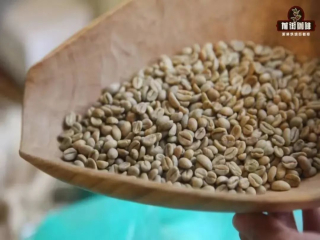
Introduction of coffee bean classification system in various countries in detail the coffee bean classification standards of Ethiopia and Kenya
A friend asked Qianjie, "Why are some coffee beans marked with AA, some with G1, and some with SHB? these letters seem irregular. How do I know which grade is high and which is low?" Why do you need grading? When we walk into the fruit store, we often see that the same fruit can be divided.

Coffee is classified like this. Explore the secret and classification of coffee bean names.
Professional coffee knowledge exchange More coffee bean information Please pay attention to coffee workshop (Weixin Official Accounts cafe_style) When buying coffee beans, in addition to seeing the name of coffee origin in the packaging or text introduction, sometimes you will see English and numbers, G1, G2, G3, AA, PB, SHB, SHG, HB, etc. Have you ever been confused about what these English or numbers represent? they

Grading system of major coffee producing countries in the world popular science coffee grade shb and coffee bean grade G1
Professional coffee knowledge exchange more coffee bean information please follow the coffee workshop (Wechat official account cafe_style) the latest coffee raw bean knowledge collation: coffee bean grading and naming rules want to drink a certain quality of selected coffee beans, starting from understanding the grading system of coffee-producing countries is a necessary lesson for each producing area, each piece of soil, different climate, different treatment methods

Exploring the secrets and classification of coffee bean names: how to distinguish the quality of coffee beans
Communication of professional baristas Please pay attention to the coffee shop (Wechat official account cafe_style) when buying coffee beans, you will sometimes see English and numbers, G1, G2, G3, AA, PB, SHB, SHG, HB, etc., in addition to the name of the coffee producing area in the packaging or in the text introduction. Have you ever wondered what these English or numbers represent? What's the difference between them?

A brief introduction to the grading system of coffee
Professional coffee knowledge exchange more coffee bean information please pay attention to the coffee workshop (Wechat official account cafe_style) front street-Columbia Highland Linglong, coffee grading system sharing Nalinglong in addition to having the natural conditions to produce high-quality coffee: first, low latitude: near the equator, about 1 degree north latitude, so there is plenty of light throughout the year. 2. High altitude: the Andes begin with Zhi

How are raw coffee beans graded? the grading method of raw coffee beans in various countries
For the exchange of professional baristas, please pay attention to the rating methods of raw coffee beans in the coffee workshop (Wechat official account cafe_style). There are three main rating criteria for raw coffee beans, and different countries adopt different rating methods according to their own production conditions and national conditions (not all coffee producing countries adopt the same method). One: the reason for this is classified according to the altitude of the coffee producing area.

Details of 90 + series beans. The difference between top coffee, how to drink it after grinding into coffee powder?
Professional coffee knowledge exchange more coffee bean information please follow Coffee Workshop (Wechat official account cafe_style) Rose Summer Coffee beans Panama Ninety Plus 90 + Lot # NP-236-C: Limited Jos Alfredo Panama Ninety Plus 90 + Sun Rose Summer 2017 bidding country: Bana

Guatemala Coffee Bean grading Guatemala altitude Flavor characteristics Guatemalan Coffee Story
Guatemala coffee beans graded altitude method Flavor description Grinding scale varieties Antigua Island is a famous producing area of coffee. Antigua coffee is produced in Hacienda Carmona, where the best quality coffee is EL Pulcal, which is not only of good quality, but also has a stronger flavor, richer taste and tobacco flavor than other Guatemalan coffee.